Warning Signs You Need to See a Neuro Doctor in Lucknow...
By Dr. Ritwiz Bihari
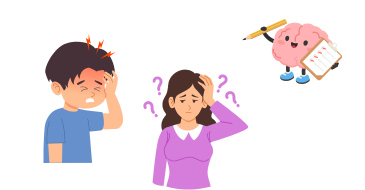
- Do not ignore recurring symptoms like chronic headaches, unexplained dizziness, or persistent numbness in your extremities.
- Sudden changes in vision, severe memory lapses, or uncoordinated movements warrant an urgent neurological assessment.
- Early consultation with a specialist like Dr. Ritwiz Bihari can prevent minor symptoms from developing into major, irreversible disabilities.
Your nervous system is the ultimate, incredibly complex command center of your body. It directly controls absolutely everything you do—from the highly conscious acts of walking, talking, and complex problem-solving to the totally involuntary, automatic processes of breathing, digestion, and maintaining a steady heartbeat. Because it is so complex, delicate, and widespread, when something goes wrong in the brain, spinal cord, or peripheral nerves, the resulting symptoms can be incredibly diverse, sometimes confusing, and occasionally very subtle.
Many patients tend to quickly dismiss early neurological symptoms as "just stress," "a normal part of old age," or "just feeling tired." However, constantly delaying professional medical attention can easily allow a completely reversible condition to progress into severe, permanent neurological damage. Knowing exactly when to see a neuro doctor in Lucknow is absolutely crucial for protecting your brain, your long-term health, and your lifelong mobility.
The Specialized Role of a Neurologist
A neurologist (often referred to as a neuro physician or neuro doctor) is a highly trained medical specialist dedicated entirely to diagnosing, treating, and managing complex disorders of the brain and entire nervous system. Unlike a neurosurgeon, who actively performs open brain and spinal surgeries in an operating room, a neurologist focuses deeply on medical management, executing complex diagnostics (like EEGs, EMGs, and reading MRIs), and designing long-term care plans for chronic, ongoing conditions. Often, a neurologist is the primary detective who figures out what is actually wrong.
Here are the major, undeniable warning signs that strongly indicate you need to schedule a clinical appointment with a neurologist without any further delay.
1. Chronic, Severe, or Rapidly Changing Headaches
Everyone gets a standard headache now and then, usually due to basic tension, dehydration, or a simple lack of sleep. However, headaches that genuinely require a specialist's attention are fundamentally different in character and intensity.
You should absolutely see a neurologist if:
- You experience a sudden, explosive "thunderclap" headache. This feels like a sudden blow to the head and reaches maximum intensity within seconds (which can be a sign of a life-threatening brain bleed).
- Your headaches are strongly accompanied by severe nausea, vomiting, intense sensitivity to light and sound, or strange visual auras (like seeing flashing zigzag lines). This strongly suggests you are suffering from migraines, requiring a dedicated migraine specialist in Lucknow.
- You find yourself constantly needing over-the-counter painkillers (like paracetamol or ibuprofen) several times a week. This can cause "rebound" headaches.
- The core pattern, frequency, or severity of your typical headaches suddenly changes, especially if you are over the age of 50.
2. Chronic Pain, Numbness, or Burning Tingling
A temporary feeling of "pins and needles" when you sit awkwardly and compress a nerve for a few minutes is totally normal. However, if you experience persistent, completely unexplained numbness, tingling, or a fiery burning sensation in your hands, arms, legs, or feet, it is a significant medical red flag.
These uncomfortable sensations most often point to peripheral neuropathy (actual nerve damage) or nerve compression (such as a pinched nerve in the neck, causing pain down the arm, or sciatica in the lower back). Diabetics are particularly prone to severe neuropathy due to high blood sugar damaging the delicate nerve fibers over time. A qualified neuro physician can precisely evaluate you using Nerve Conduction Studies (NCS) and Electromyography (EMG) to accurately pinpoint the exact location and severity of the nerve damage, allowing for targeted neuropathy treatment before the numbness becomes permanent.
3. Unexplained Dizziness, Vertigo, and Balance Issues
Feeling mildly lightheaded occasionally when you stand up too fast is one thing, but experiencing true vertigo—the distinct, nauseating, false sensation that the room is aggressively spinning around you—requires immediate investigation. If you frequently feel unsteady on your feet, feel like you are being physically pulled to one side when you walk, or have suffered unexplained falls, it could strongly indicate an inner ear problem, a vestibular nerve issue, or even a deep problem within the cerebellum (the primary balance center of the brain).
4. Seizures, Fainting, or Strange "Spells"
A seizure is essentially an abnormal, chaotic burst of electrical activity in the brain. While the most highly recognizable form of a seizure involves violent physical shaking and total loss of consciousness (a grand mal seizure), seizures can also be much more subtle and easily missed.
Symptoms might include:
- Brief, blank staring spells where the person is completely unresponsive to their name.
- Sudden, totally unexplained confusion or a feeling of extreme déjà vu.
- Uncontrollable, repetitive jerking movements of a single arm, leg, or facial muscle.
- Strange olfactory (smelling things that aren't there) or visual hallucinations.
If you or a loved one has experienced absolutely any of these, you must consult an epilepsy specialist immediately for a comprehensive EEG (electroencephalogram) evaluation to officially diagnose the issue and prevent future, potentially highly dangerous episodes while driving or swimming.
5. Progressive Memory Loss and Cognitive Decline
It is perfectly normal to occasionally forget where you placed your car keys or struggle for a few seconds to recall an old acquaintance's name. However, when memory loss begins to actively interfere with your daily life, your finances, or your job, it is a major medical concern.
Warning signs include:
- Getting lost in highly familiar neighborhoods or forgetting how to drive home.
- Frequently repeating the exact same questions within the same short conversation.
- Significant difficulty finding the right common words to express yourself (aphasia).
- Noticeable, uncharacteristic changes in personality, financial judgment, or social behavior.
Early clinical evaluation by a neurologist can meticulously help differentiate between highly reversible causes of memory loss (like severe Vitamin B12 deficiencies, depression, or thyroid issues) and progressive, neurodegenerative conditions like Alzheimer's disease or other serious forms of Dementia.
6. Sudden Muscle Weakness or Paralysis
Muscle weakness that develops very gradually over many months or years can be a key sign of rare neuromuscular disorders, such as Myasthenia Gravis, muscular dystrophy, or ALS, which require highly complex, ongoing neurological management.
Crucially: Sudden, immediate weakness in an arm, leg, or on one specific side of your face is an absolute medical emergency. This is a classic, textbook sign of an acute brain stroke. If this occurs, absolutely do not wait for a scheduled appointment—you must seek a stroke specialist or go straight to a hospital emergency room immediately. Time is brain, and every minute counts.
7. Movement Issues and Tremors
If you notice that your hands have started shaking when resting in your lap, or if your handwriting has suddenly become incredibly small and cramped, these are classic neurological signs. Tremors, significant stiffness in your limbs, a shuffling walk, or general slowness of movement (bradykinesia) are key hallmark symptoms of Parkinson’s disease. Other movement disorders, like Essential Tremor, can cause your hands to shake violently when you try to drink a glass of water. A neurologist can differentiate between these conditions and prescribe medications that dramatically improve your quality of life.
8. Severe Sleep Disturbances
While many basic sleep issues can be managed by a general physician, certain severe sleep disorders have a profoundly strong neurological basis. Conditions like narcolepsy (suffering sudden "sleep attacks" during the day), severe chronic insomnia, or REM sleep behavior disorder (where you physically act out vivid, sometimes violent dreams in bed) often require a dedicated neurologist's expertise for proper diagnosis and medical management.
Don't Wait Until It's Too Late
Your neurological health is incredibly fragile and precious. The brain and spinal cord have a very limited, finite ability to heal themselves once severe, physical damage has occurred. This is exactly why early detection, accurate diagnosis, and rapid intervention are the absolute cornerstones of successful neurological treatment.
If you are actively experiencing any of these troubling symptoms, do not attempt to dangerously self-diagnose via internet searches, and do not delay seeking professional medical help.
Expert Neurological Care in Lucknow
If you are concerned about any ongoing neurological symptoms, timely intervention is absolutely critical. Book a consultation with Dr. Ritwiz Bihari, a leading, highly experienced Neuro Physician in Lucknow, for an accurate diagnosis and a comprehensive, compassionate treatment plan tailored to your specific needs.