Mastering Orthostatic Hypotension: The Neurology Behind...
By Dr. Ritwiz Bihari
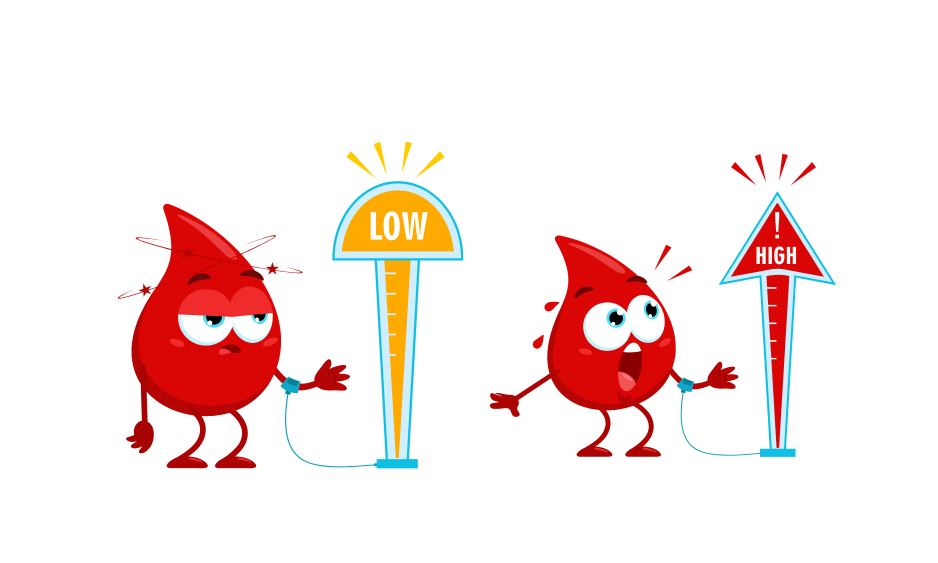
- Orthostatic hypotension (OH) is clinically defined as a significant drop in blood pressure (at least 20 mm Hg systolic or 10 mm Hg diastolic) within three minutes of transitioning from a lying to a standing position, causing severe dizziness or fainting.
- While transient OH can be caused by simple dehydration or common medications, chronic Neurogenic OH is frequently linked to profound autonomic nervous system failure seen in Parkinson's disease, Multiple System Atrophy, and diabetic neuropathy.
- Effective clinical management heavily prioritizes non-pharmacological interventions first: aggressive volume expansion (hydration and sodium), physical isometric counter-maneuvers, abdominal binders, and elevating the head of the bed before initiating specialized medications.
We have all experienced it at least once in our lives: you have been lounging on the couch for hours watching a movie, you suddenly jump up to answer the doorbell, and instantly the room starts to spin. Your vision might narrow, blur, or go completely black at the edges, and you find yourself desperately holding onto a wall or a chair to keep from collapsing to the floor. For the vast majority of healthy people, this is a rare, transient annoyance. But for millions of others—particularly the elderly and those with specific neurological conditions—this dizzying, dangerous drop in blood pressure happens every single time they try to stand up.
This debilitating condition is medically known as Orthostatic Hypotension (OH), or postural hypotension. As a neurologist, I frequently evaluate and manage this condition because, at its absolute core, blood pressure regulation is deeply intertwined with the autonomic nervous system. Understanding exactly why this physiological failure happens is the critical first step toward preventing the devastating, life-altering falls and traumatic brain injuries it often causes.
The Complex Biology of Standing Up
Simply standing up is a surprisingly complex, highly coordinated cardiovascular and neurological event. When you transition from a lying or sitting position to a standing one, gravity instantly pulls approximately 500 to 800 milliliters of your blood down into your legs and the large venous pools of your lower abdomen. If your body did absolutely nothing to counteract this massive fluid shift, your central blood pressure would plummet instantly, your brain would be completely deprived of oxygen within seconds, and you would faint (syncope).
To prevent this catastrophic failure, you have highly specialized, microscopic pressure sensors located in the major arteries of your neck (the carotid sinus) and your chest (the aortic arch). These sensors are called baroreceptors. The instant they detect a drop in blood pressure, they fire a panic signal up to the brainstem. Your autonomic nervous system responds in milliseconds: it rapidly withdraws the calming parasympathetic signals and blasts sympathetic (adrenaline) signals to your body. This tells your heart to immediately beat faster and harder, and crucially, it forces the blood vessels in your legs and abdomen to fiercely constrict (tighten). This massive squeeze pushes the pooled blood back up against gravity to supply your brain. In Orthostatic Hypotension, this vital neurological reflex is broken, delayed, or insufficiently strong. Medically, OH is formally defined as a sustained drop in systolic blood pressure of at least 20 mm Hg, or diastolic blood pressure of at least 10 mm Hg, within three minutes of standing.
The Neurological Connection: Why the Reflex Fails
Why does this elegant baroreceptor reflex fail? Sometimes, the root cause is purely systemic and non-neurogenic: severe clinical dehydration, massive blood loss (anemia), prolonged bed rest, or the side effects of polypharmacy (especially diuretics, alpha-blockers for prostate issues, or overly aggressive high blood pressure medications). However, chronic, severe OH is very frequently the direct symptom of an underlying neurological disorder. This specific subset is known as Neurogenic Orthostatic Hypotension (nOH).
- Alpha-Synucleinopathies (Parkinson’s Disease, Lewy Body Dementia, Multiple System Atrophy): These severe neurodegenerative diseases are characterized by the abnormal accumulation of a protein called alpha-synuclein. This protein accumulation physically damages the autonomic nervous system, effectively "clipping the wires" that release norepinephrine, the exact neurotransmitter required to tell the blood vessels to constrict when you stand.
- Peripheral and Autonomic Neuropathy: Systemic conditions like poorly controlled, long-standing diabetes or autoimmune diseases can physically damage the microscopic nerve fibers throughout the entire body, specifically including the delicate, unmyelinated autonomic nerves that are tasked with constantly regulating blood pressure and heart rate.
Symptoms Beyond Simple Dizziness
While acute dizziness and lightheadedness are the classic, universally recognized signs, OH frequently presents with other, less obvious but highly specific symptoms that patients often struggle to explain to their doctors:
- Syncope (Fainting): The brain temporarily and defensively shuts down due to a critical lack of oxygen and glucose, causing a sudden, total collapse. This is the body's emergency mechanism to get you horizontal so gravity can return blood to the brain.
- "Coat-Hanger" Pain: A highly distinct, severe, aching pain localized strictly in the back of the neck, the suboccipital region, and the upper shoulders (exactly where a coat hanger would sit). This is caused by acute ischemia (lack of blood flow and oxygen) to those specific, highly active postural muscles when standing.
- Visual Disturbances: Seeing "stars," spots, or experiencing a gradual graying or blacking out of peripheral vision when upright.
- Cognitive Fog: Profound difficulty concentrating, thinking clearly, or finding the right words while standing, which miraculously resolves almost immediately upon sitting or lying down.
- Severe Weakness and Fatigue: A general, overwhelming sense of physical exhaustion that worsens throughout the day, often described by patients as feeling like their "legs are made of lead."
Mastering the Condition: Clinical Prevention and Management
Managing neurogenic orthostatic hypotension is complex and usually involves a deliberate "step-up" approach. We always start with aggressive lifestyle, dietary, and behavioral counter-measures before exposing the patient to the side effects of pharmacological medications.
1. The Aggressive Hydration and Salt Strategy
In the fight against OH, total blood volume is your absolute best defense against gravity. If you have significantly more fluid in your "pipes," it is physically easier for the system to keep the overall pressure up.
- The Morning Water Bolus: Drinking 500ml (about 16 ounces) of very cold water rapidly (within 5 minutes) triggers a sympathetic reflex that can actually spike your blood pressure significantly for about an hour. Many patients use this crucial trick right before getting out of bed in the morning, which is when OH is almost always at its absolute worst.
- Sodium Loading: Unless you have congestive heart failure or are instructed otherwise by a cardiologist, patients with OH are often told by neurologists to significantly increase their dietary salt intake (sometimes up to 5-10 grams a day). High salt forces the kidneys to retain water, physically expanding total blood volume.
2. Physical Counter-Maneuvers (Isometric Exercises)
You can consciously use your large skeletal muscles to manually pump pooled venous blood out of your legs and back up to your heart.
- Transition Slowly: Never, ever jump out of bed or a deep chair. Sit on the edge of the bed for 2-3 full minutes, actively pump your ankles up and down, march your legs in place, and then stand very slowly.
- Leg Crossing and Muscle Squeezing: If you are standing in a line and feel dizzy, immediately cross your legs tightly and aggressively squeeze your thigh and glute muscles. If that doesn't work, squat down immediately, or put one foot up on a chair or step and lean forward. This mechanically forces blood upward and can instantly abort a fainting spell.
3. Strategic Wardrobe Modifications
While standard compression socks (knee-high) are very popular, they are actually not very effective for OH because the vast majority of blood pools much higher up, in the massive veins of the thighs and the splanchnic (abdominal) bed. Elastic abdominal binders (tight corsets worn around the belly) or waist-high medical-grade compression tights (30-40 mmHg) are significantly more effective at physically preventing blood from pooling in the gut and legs.
4. Environmental and Sleep Adjustments
- Elevate the Head of the Bed: This is a highly effective, counter-intuitive trick. Raising the physical head of your bed by 10 to 20 degrees (by placing bricks or wooden blocks under the headboard posts, not just using extra pillows, which only bends the neck) tricks your kidneys into retaining more fluid overnight. This significantly reduces nocturnal urination and lessens the severe morning dizziness.
- Beware of Postprandial Hypotension: After eating a large, heavy meal (especially one very high in refined carbohydrates), massive amounts of blood are physiologically diverted to your stomach and intestines for digestion. This causes blood pressure everywhere else to drop precipitously. OH patients should eat smaller, more frequent, low-carb meals to prevent this "food coma" crash.
- Avoid Hot Environments: Heat causes blood vessels to dilate (expand), drawing blood away from the brain and out to the skin to cool the body. Avoid hot tubs, take lukewarm showers, and consider using a shower chair.
Pharmacological Treatments: The Last Resort
If lifestyle changes are not enough to prevent debilitating symptoms and dangerous falls, a neurologist can prescribe specific, targeted medications to help manage the condition. Drugs like Fludrocortisone (a synthetic steroid that forces the kidneys to retain salt and water), Midodrine (which directly constricts the blood vessels), or Droxidopa (which chemically converts to norepinephrine in the body) are commonly used to artificially stabilize blood pressure in severe neurogenic cases. However, these drugs must be carefully monitored, as they can cause severe high blood pressure when the patient lies down flat (supine hypertension).
Protect Yourself from Traumatic Falls
The biggest, most life-threatening danger of orthostatic hypotension is not the low blood pressure itself, but the traumatic physical injuries (like devastating hip fractures, subdural hematomas, or head trauma) caused by sudden fainting and falling. If you frequently feel dizzy or black out when standing, it is absolutely crucial to undergo a full, comprehensive neurological and cardiovascular evaluation. Book a detailed consultation with Dr. Ritwiz Bihari today for a comprehensive autonomic assessment and a highly personalized, protective treatment plan.
Dr. Ritwiz Bihari
Head and Chairperson, Neurology
Chandan Hospital, Lucknow