Headache or Migraine? How to Tell the Difference and...
By Dr. Ritwiz Bihari
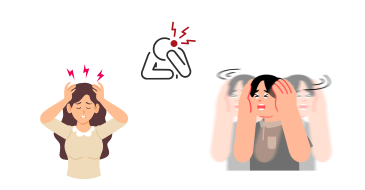
- Tension headaches are the most common type, characterized by bilateral, band-like pressure without nausea or light sensitivity. Migraines are complex neurological events characterized by throbbing unilateral pain with nausea, photophobia, phonophobia, and sometimes visual aura.
- Red-flag headaches—such as a thunderclap onset, association with fever and neck stiffness, or new onset after age 50—require urgent medical evaluation to rule out serious underlying causes like a brain bleed or tumor.
- Modern migraine treatment has transformed significantly. For chronic sufferers, CGRP inhibitors, Botox injections, and newer abortive medications provide highly effective options far beyond basic over-the-counter painkillers.
In my neurology clinic in Lucknow, head pain is one of the most frequent presenting complaints. It is also one of the most frequently mismanaged. For years, many patients have simply reached for an over-the-counter painkiller, gotten some temporary relief, and repeated the cycle. Over months and years, this approach often creates its own debilitating problem: medication overuse headache (also known as rebound headache), where the very painkiller taken for relief starts triggering daily head pain.
Breaking this cycle requires a completely different approach. The starting point for effective treatment is an accurate neurological diagnosis. Not all headaches are created equal, and the distinction between a standard tension headache and a migraine matters enormously. If you are using pain medication more than two days per week, or if headaches are routinely affecting your work, family life, or sleep, you need the assessment of a dedicated migraine specialist, not just another box of tablets.
Understanding Tension-Type Headache
Tension-type headache (TTH) is the most common type of primary headache, affecting a majority of the adult population at some point in their lives. It is generally what people mean when they say they have a "regular headache."
The Four Pillars of a Tension Headache:
- Pain Quality: A dull, pressing, or tightening sensation. Patients often describe it as a "tight band" or "vice" squeezing around the head, or pressure across the forehead and the back of the neck. Crucially, the pain is not pulsating or throbbing.
- Location: It is almost always bilateral (occurring on both sides of the head), unlike a migraine which is typically unilateral.
- Severity: Mild to moderate. While annoying, the person can usually push through it and continue with daily activities. Routine physical activity (like walking up stairs) does not make the pain worse.
- Associated Symptoms: There is no nausea, vomiting, or significant sensitivity to light and sound. (This lack of associated symptoms is a key differentiator from migraine).
Common Triggers: Tension headaches frequently stem from muscle tension in the neck and scalp, triggered by emotional stress, prolonged screen time, poor posture (a growing issue among software professionals), dehydration, and irregular sleep patterns.
Understanding Migraine: A Sensory Processing Disorder
Migraine affects approximately 1 billion people worldwide and is consistently ranked by the WHO among the top 10 most disabling medical conditions globally. I often have to correct a fundamental misconception in my clinic: a migraine is not simply a severe headache. It is a complex genetic neurological disease involving hyper-reactive nerve pathways and inflammatory brain chemicals (like CGRP). The headache is just one symptom among several, and for many patients, it is not even the most disabling one.
The Four Phases of a Migraine Attack:
A full migraine episode is a neurological event that actually progresses through four distinct phases, though not everyone experiences all four.
- 1. Prodrome (1–2 days before): Subtle warning signs that an attack is brewing. These can include unexplained mood shifts (irritability or euphoria), intense food cravings (especially for chocolate or carbs), neck stiffness, frequent yawning, and increased urination. Identifying this phase allows for early intervention.
- 2. Aura (30–60 minutes before): Experienced by about 25% of patients, an aura consists of fully reversible neurological symptoms. These are most commonly visual (seeing flashing lights, zigzag patterns, or blind spots expanding across the vision), but can also include tingling in the face or hand, difficulty speaking, or limb weakness. Note: While aura is harmless, sudden unpatterned visual or limb symptoms in a person over 50 always require urgent evaluation to rule out a stroke.
- 3. The Headache Phase (4–72 hours): A throbbing or pulsating pain, typically on one side of the head (hemicrania). The intensity is moderate to severe, and unlike a tension headache, routine physical activity makes the pain significantly worse. It is almost always accompanied by nausea, vomiting, and extreme sensitivity to light (photophobia) and sound (phonophobia). Patients are usually forced to retreat to a dark, quiet room.
- 4. Postdrome ("The Migraine Hangover"): After the intense headache resolves, patients often feel exhausted, cognitively slowed, confused, and generally washed out for up to 24 hours. Physical or cognitive exertion during this phase can briefly reactivate the head pain.
Red-Flag Headaches: When to Seek Emergency Care
While tension headaches and migraines are miserable, they are not life-threatening. However, certain headache features demand urgent emergency room evaluation to exclude serious underlying pathology, such as a brain bleed, tumor, or infection. These are the "red flags" neurologists always screen for:
- The Thunderclap Headache: A headache that reaches its absolute maximum, explosive intensity within seconds to minutes. Often described as "the worst headache of my life." Until proven otherwise by a CT scan, this is a subarachnoid hemorrhage (a bleeding aneurysm in the brain) and is a profound medical emergency.
- Systemic Symptoms: A severe headache accompanied by a high fever and a stiff neck (you cannot touch your chin to your chest). This suggests meningitis or encephalitis.
- Progressive Worsening: A new headache that gets steadily worse over days to weeks, especially if it is worse in the morning or wakes you from sleep. This raises concern for raised intracranial pressure or a space-occupying lesion (tumor).
- Age of Onset: Any new, severe type of headache that begins after age 50 requires imaging. It could indicate Giant Cell Arteritis, a treatable but vision-threatening inflammation of the blood vessels.
- Focal Neurological Signs: A headache accompanied by sudden weakness on one side, vision loss, severe imbalance, or confusion.
When Should You See a Headache Specialist?
You should move beyond self-treatment and over-the-counter pills and consult a neurology specialist when:
- You use acute pain medication (prescription or over-the-counter) more than two days a week.
- Your headaches cause you to miss work, family obligations, or important social events.
- The pattern, frequency, or severity of your usual headaches has changed.
- Over-the-counter medications no longer provide relief.
- Your headaches frequently wake you up from sleep.
Modern Treatment Options: A New Era of Migraine Care
The landscape of migraine treatment has transformed dramatically in the past decade. As a headache specialist, I offer personalized, targeted treatment plans that go far beyond basic painkillers:
- Acute (Abortive) Treatments: Medications designed to stop an attack once it starts. Triptans (like sumatriptan) remain the gold standard, specifically targeting serotonin receptors. Newer agents like Gepants block CGRP acutely without constricting blood vessels. The golden rule: take them early in the attack, not when the pain is already unbearable.
- Daily Preventive Medications: For patients suffering from 4 or more migraine days per month, we use daily medications to reduce the frequency and severity of attacks. These include specific beta-blockers, tricyclic antidepressants, and anti-seizure medications like topiramate.
- Botulinum Toxin (Botox) Injections: FDA-approved and highly effective for Chronic Migraine (15+ headache days per month). Medical Botox is injected into 31 specific nerve sites around the head and neck every 12 weeks to block pain signals from reaching the brain.
- Anti-CGRP Monoclonal Antibodies: A revolutionary class of preventive medications specifically targeting the CGRP pathway, which is central to migraine inflammation. Administered via a monthly or quarterly injection, these have transformed the lives of patients who failed all other preventive therapies.
Take Control of Your Headaches
Headaches are common—but dismissing them all as "just stress" or continuing to suppress them with daily painkillers is not a strategy. If headaches are stealing days from your life, highly effective, modern treatments exist. The first step is an accurate neurological diagnosis. Book a consultation with Dr. Ritwiz Bihari today to establish exactly what type of headache you have and to build a personalized plan for lasting relief.
Dr. Ritwiz Bihari
Head and Chairperson, Neurology
Chandan Hospital, Lucknow