Understanding Headaches and Migraines: A Neurologist’s...
By Dr. Ritwiz Bihari
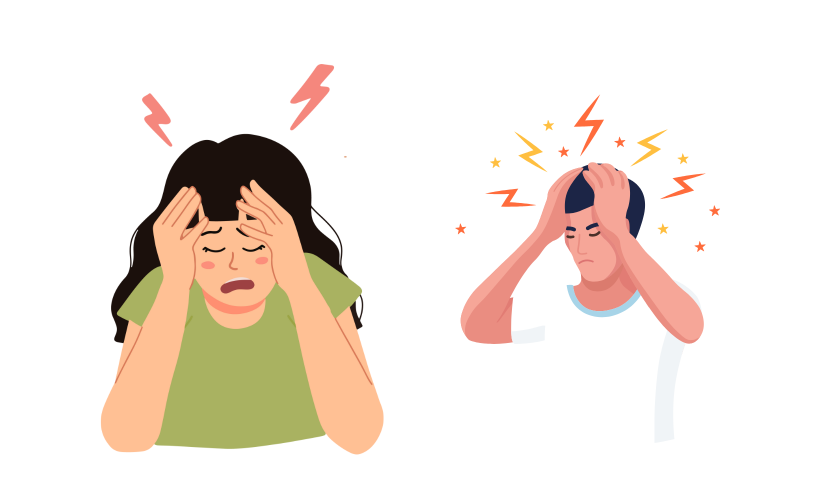
- Headaches are classified into primary (where the headache itself is the condition) and secondary (where the headache is a symptom of an underlying issue). It is crucial to recognize 'red flag' symptoms like sudden 'thunderclap' pain.
- Migraines are complex neurological events involving trigeminal nerve pathways and inflammatory chemicals like CGRP, characterized by severe, throbbing pain, nausea, and sensory sensitivity, often progressing through four distinct phases.
- Treatment has evolved significantly; beyond basic painkillers, neurologists now utilize targeted preventive therapies, Botox for chronic cases, and advanced CGRP inhibitors to provide lasting relief for chronic sufferers.
Almost everyone will experience a headache at some point in their life. For many, it is a minor, temporary inconvenience cured by a glass of water, a nap, or an over-the-counter painkiller. But for millions of others, headaches—particularly migraines—are a debilitating, chronic condition that severely impacts their quality of life, limits their ability to work, and strains relationships.
As a neurologist specializing in headache management, the most important message I can share with my patients is this: you do not have to live in pain. Science has made incredible, targeted leaps in understanding and treating head pain over the last decade. The first step to finding lasting relief is understanding exactly what kind of headache you are dealing with.
The Foundation: Primary vs. Secondary Headaches
In neurology, we divide head pain into two broad diagnostic categories:
- Primary Headaches: The headache itself is the primary medical problem. It is not caused by another underlying disease or structural abnormality. Examples include tension headaches, migraines, and cluster headaches. Over 90% of headaches evaluated in a clinic fall into this category.
- Secondary Headaches: These are symptoms of an underlying medical condition. This could be as common as a sinus infection, a dental issue, or dehydration. More seriously, it could be a sign of head trauma, severely high blood pressure, a brain infection (meningitis), or, in rare cases, a brain tumor or an aneurysm.
Red Flags: The "SNOOP" Warning Signs
While most headaches are primary and harmless (though painful), some secondary headaches are warning signs of a medical emergency. Neurologists use the "SNOOP" mnemonic to identify red flags that require immediate medical attention or urgent brain imaging (MRI/CT):
- S - Systemic Symptoms: A headache accompanied by fever, chills, night sweats, unexplained weight loss, or a stiff neck.
- N - Neurologic Symptoms: A headache accompanied by sudden weakness, numbness, paralysis on one side of the body, difficulty speaking (aphasia), or severe confusion.
- O - Onset: A sudden, abrupt "Thunderclap" headache that reaches maximum intensity within seconds or minutes. Patients often describe this as "the worst headache of my life." This can indicate a bleeding aneurysm.
- O - Older Patient: A new, severe type of headache that begins after the age of 50.
- P - Pattern Change: A headache that changes in frequency, severity, or clinical features from your usual headaches. Also, a headache that worsens significantly with coughing, sneezing, straining, or sudden movement (which can indicate elevated pressure inside the skull).
The Big Three: Types of Primary Headaches
1. Tension-Type Headaches
This is the most common type of primary headache. It typically feels like a tight band or a vice squeezing around your head, or a heavy weight pressing down on the top of the skull. The pain is usually mild to moderate, dull, and steady (not throbbing). It frequently stems from muscle tension in the neck, shoulders, and scalp, triggered by psychological stress, poor posture (like leaning over a computer screen for hours), or lack of sleep. Tension headaches usually respond well to standard pain relievers, hydration, and relaxation techniques.
2. Cluster Headaches
Cluster headaches are relatively rare but are widely considered one of the most painful conditions known to medicine, earning the nickname "suicide headaches." They are characterized by excruciating, piercing, burning pain strictly on one side of the head, typically concentrated in, behind, or around one eye. The affected eye may become severely bloodshot, watery, and the eyelid may droop. The nostril on that side may run or become congested. They are called "cluster" headaches because they occur in cycles (clusters)—a patient may have one to eight severe attacks a day for weeks or months, often waking them from sleep at the exact same time every night, followed by a pain-free remission period that can last for years.
3. Migraines: A Complex Neurological Disease
A migraine is not just a "bad headache"; it is a complex, genetic neurological disease. It involves a cascade of events in the brain where hyper-reactive nerve pathways (particularly the trigeminal nerve) release inflammatory chemicals, most notably CGRP (Calcitonin Gene-Related Peptide). This chemical flood causes blood vessels in the lining of the brain to swell and creates intense, localized pain.
Key Characteristics of a Migraine:
- Pain Quality: Usually a severe throbbing or pulsating sensation, often (but not always) localized to one side of the head (hemicrania).
- Intensity: Moderate to severe; it usually worsens significantly with routine physical activity, like walking up stairs.
- Associated Symptoms: Nausea, vomiting, and extreme, debilitating sensitivity to light (photophobia) and sound (phonophobia). Patients often need to lie perfectly still in a dark, quiet room.
A full migraine attack often progresses through four distinct stages:
- Prodrome: Warning signs occurring a day or two before, such as extreme fatigue, mood changes, food cravings, or excessive yawning.
- Aura: Experienced by about 25% of sufferers, these are reversible neurological symptoms occurring just before the pain. They are usually visual (seeing zigzag lines, flashing lights, or blind spots) but can also involve tingling in the hands or face.
- The Attack: The headache phase itself, lasting anywhere from 4 to 72 hours if untreated.
- Postdrome: Often called the "migraine hangover," where the patient feels drained, confused, and washed out for a day after the pain subsides.
Identifying Your Triggers and the Danger of Rebound Headaches
Migraine brains are highly sensitive to environmental and internal changes. Keeping a detailed headache diary is crucial to identifying what pushes your brain over the threshold into an attack. Common triggers include hormonal fluctuations (estrogen drops during menstruation), dietary factors (aged cheeses, MSG, artificial sweeteners, alcohol), caffeine withdrawal, severe sleep disruption, and sensory overload (bright lights or strong perfumes).
Crucially, patients must be aware of Medication Overuse Headaches (Rebound Headaches). If you take acute pain relievers (like ibuprofen, paracetamol, or triptans) more than 10-15 days a month, your brain adapts to them. When the medication wears off, it triggers another headache, trapping you in a vicious daily cycle of escalating pain and medication use. Breaking this cycle requires specialized neurological guidance.
Modern Treatment Approaches: A New Era of Relief
Treatment for migraines and severe headaches has evolved rapidly. We no longer rely solely on basic painkillers.
- Acute (Abortive) Treatments: Medications taken at the very first sign of an attack to stop it in its tracks. This includes Triptans (which specifically target serotonin pathways) and newer medications called Gepants (which block CGRP acutely).
- Preventive Treatments: For patients with frequent attacks (more than 4 days a month) or severe impairment, we use daily medications to raise the brain's pain threshold and prevent attacks from starting. Historically, this included blood pressure medications (beta-blockers), antidepressants, or anti-seizure drugs (like Topiramate).
- Botox Injections: FDA-approved specifically for Chronic Migraine (15+ headache days a month), medical Botox is injected into specific muscles around the head and neck every 12 weeks to block pain signals from reaching the brain.
- Anti-CGRP Monoclonal Antibodies: The most significant breakthrough in migraine therapy in decades. These are targeted medications (administered via a monthly or quarterly injection) that specifically bind to and block the CGRP protein, effectively shutting down the primary chemical pathway that causes migraine pain, often with very few side effects.
Don't Let Headaches Dictate Your Life
If headaches are causing you to miss work, skip social events, or live in constant fear of the next attack, it is time to seek specialist care. A precise neurological diagnosis is the key to unlocking an effective, modern treatment plan. Book a comprehensive headache consultation with Dr. Ritwiz Bihari today to start your journey toward a pain-free, active life.
Dr. Ritwiz Bihari
Head and Chairperson, Neurology
Chandan Hospital, Lucknow