Understanding Epilepsy: A Comprehensive Guide to Causes,...
By Dr. Ritwiz Bihari
- Epilepsy is a chronic neurological disorder characterized by recurrent, unprovoked seizures caused by abnormal electrical storms in the brain.
- Not all seizures involve convulsions; some present as brief staring spells, sudden confusion, or temporary loss of awareness (focal seizures).
- With accurate diagnosis via EEG and consistent anti-epileptic medication, the vast majority of patients can achieve excellent seizure control and lead normal lives.
Epilepsy is one of the most common neurological diseases globally, affecting millions of people of all ages. Despite its prevalence, it remains widely misunderstood and deeply stigmatized. Many people still believe that a seizure always involves dramatic falling and shaking, or worse, harbor outdated superstitions about the condition.
As a neurologist, my goal is to demystify epilepsy. It is not a curse, nor is it a single disease; rather, it is a spectrum of disorders characterized by a shared symptom: the tendency to have recurrent, unprovoked seizures. Understanding epilepsy is the first step toward effective management and breaking down the stigma that surrounds it.
What Exactly is Epilepsy?
To understand epilepsy, you must understand how the brain works. The brain is a highly complex organ that relies on millions of tiny electrical signals passing between nerve cells (neurons) to control everything we think, feel, and do. A seizure occurs when there is a sudden, abnormal surge of electrical activity in the brain—an "electrical storm," if you will. This storm temporarily disrupts normal brain function.
If a person has a single seizure (perhaps due to a high fever or severe low blood sugar), it does not mean they have epilepsy. Epilepsy is diagnosed only when a person has had at least two unprovoked seizures occurring more than 24 hours apart, or one unprovoked seizure with a high likelihood of having more.
Understanding the Different Types of Seizures
Seizures are incredibly diverse, and their symptoms depend entirely on which part of the brain the electrical storm starts in and how far it spreads. We broadly categorize them into two main types:
1. Focal Seizures (Partial Seizures)
These originate in just one area or network of the brain.
- Focal Aware Seizures: The person remains fully awake and aware but may experience unusual feelings, sudden intense emotions (like fear or joy), or changes in the way things look, smell, or taste. They might also experience involuntary jerking of a single body part, like an arm or leg.
- Focal Impaired Awareness Seizures: The person's consciousness is altered. They may stare blankly into space, respond inappropriately to questions, or perform repetitive, purposeless movements like lip-smacking, chewing, or picking at their clothes.
2. Generalized Seizures
These involve abnormal electrical activity affecting both sides of the brain from the very beginning.
- Absence Seizures (formerly Petit Mal): Most common in children, these are characterized by brief, sudden lapses of consciousness. The person may stare blankly for a few seconds, often accompanied by subtle movements like eye blinking. They can occur dozens of times a day and severely impact learning.
- Tonic-Clonic Seizures (formerly Grand Mal): This is the most dramatic and widely recognized type of seizure. The person loses consciousness, their muscles stiffen (tonic phase), and their body begins to jerk rhythmically (clonic phase). The person may lose bladder control or bite their tongue.
- Myoclonic Seizures: Sudden, brief, shock-like jerks or twitches of the arms or legs.
- Atonic Seizures (Drop Attacks): A sudden loss of muscle tone, causing the person to collapse or fall to the ground abruptly, carrying a high risk of head injury.
What Causes Epilepsy?
In about half of all cases, the exact cause of epilepsy remains unknown (idiopathic epilepsy). In the other half, the condition can be traced to various factors:
- Structural Causes: Brain injuries from trauma, strokes, brain tumors, or damage sustained before or during birth (such as lack of oxygen).
- Genetic Causes: Some types of epilepsy run in families, linked to specific gene mutations.
- Infectious Causes: Infections of the central nervous system, such as meningitis, encephalitis, or neurocysticercosis (a tapeworm infection in the brain, common in certain regions).
- Metabolic or Immune Causes: Rare metabolic disorders or autoimmune diseases where the immune system attacks brain tissue.
Common Seizure Triggers
For someone with epilepsy, certain factors can lower their "seizure threshold" and trigger an episode. Common triggers include:
- Missing doses of anti-epileptic medication (the most common cause of breakthrough seizures)
- Severe sleep deprivation or exhaustion
- High levels of stress
- Alcohol consumption or withdrawal
- In some rare cases, flashing or flickering lights (photosensitive epilepsy)
How is Epilepsy Diagnosed?
Accurate diagnosis is paramount, as the type of epilepsy determines the type of medication we prescribe. A comprehensive evaluation by an epilepsy specialist involves:
- Detailed Clinical History: The most important tool. We need a precise description of the events before, during, and after the seizure. Because the patient is often unconscious, an eyewitness account is invaluable.
- Electroencephalogram (EEG): This painless test records the electrical activity of the brain via sensors attached to the scalp. It helps identify abnormal brain wave patterns indicative of epilepsy. Sometimes, a prolonged or Video-EEG is required to capture the exact moment a seizure occurs.
- Brain Imaging (MRI): A high-resolution MRI of the brain is crucial to look for structural causes, such as tumors, scars, or malformations of cortical development.
- Blood Tests: To rule out metabolic imbalances, infections, or genetic markers.
Treatment Options: Finding Seizure Freedom
The goal of epilepsy treatment is "no seizures, no side effects." Fortunately, modern medicine offers several effective avenues.
1. Anti-Epileptic Drugs (AEDs)
Medication is the first line of defense and is successful in controlling seizures for roughly 70% of patients. There are dozens of AEDs available today. The key to success is finding the right drug (or combination of drugs) for the specific seizure type with minimal side effects. Strict adherence to the daily medication schedule is non-negotiable.
2. Epilepsy Surgery
For the 30% of patients whose seizures are drug-resistant (refractory epilepsy), surgery can be a life-changing option. If thorough testing proves that the seizures originate from a single, safely removable area of the brain, resective surgery can offer a permanent cure.
3. Neuromodulation
If surgery isn't possible, devices like a Vagus Nerve Stimulator (VNS) or Responsive Neurostimulator (RNS) can be implanted to deliver electrical impulses to the brain, helping to abort or reduce the frequency of seizures.
4. Dietary Therapy
The Ketogenic Diet—a very high-fat, low-carbohydrate diet—has proven highly effective in reducing seizures, particularly in children with specific epilepsy syndromes who do not respond to medications.
First Aid for Seizures: What You Should Know
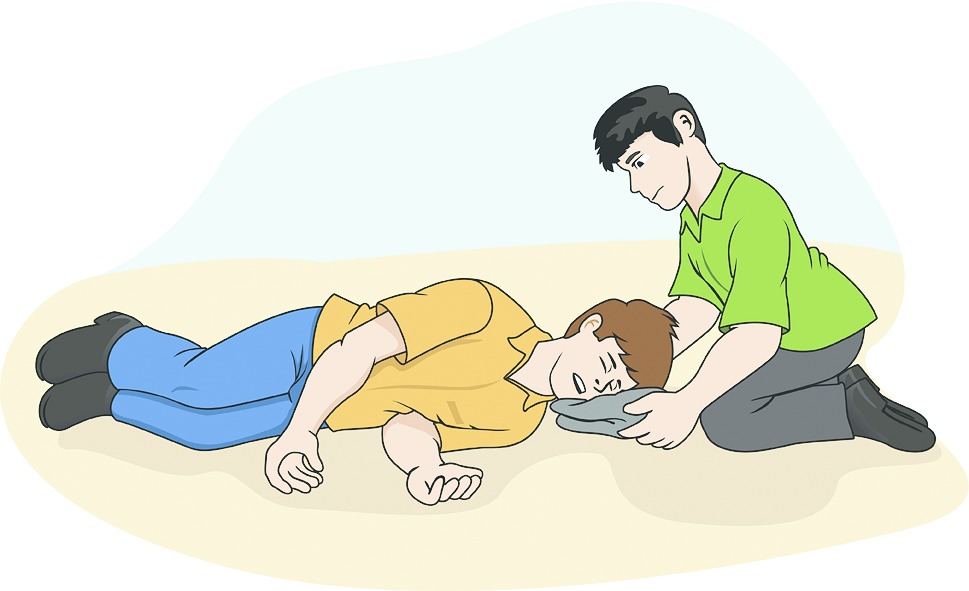
Witnessing a tonic-clonic seizure can be frightening, but knowing what to do can keep the person safe. Remember the 3 C's: Calm, Cushion, Call.
- DO stay calm and gently guide the person to the floor.
- DO cushion their head with a soft jacket or pillow.
- DO turn them gently onto their side (the recovery position) to prevent choking on saliva or vomit.
- DO time the seizure.
- DO NOT put anything in their mouth (they will not swallow their tongue, and you could break their teeth).
- DO NOT try to hold them down or stop their movements.
When to call an ambulance: If the seizure lasts longer than 5 minutes, if one seizure follows another without the person regaining consciousness, if the person is injured, or if it is their first ever seizure.
Living Well with Epilepsy
Epilepsy does not define you. With proper medical management, most people with epilepsy can lead completely normal lives—they go to school, build careers, get married, and have children. Women with epilepsy can have healthy pregnancies with careful planning and monitoring by their neurologist.
Comprehensive Epilepsy Care in Lucknow
Achieving seizure freedom requires expert diagnosis and personalized care. If you or a loved one are experiencing seizures or struggling with uncontrolled epilepsy, book a consultation with Dr. Ritwiz Bihari for advanced epilepsy management and compassionate support.
Dr. Ritwiz Bihari
Head and Chairperson, Neurology
Chandan Hospital, Lucknow