Brain Fog vs. Dementia: When is Memory Loss Abnormal?
By Dr. Ritwiz Bihari
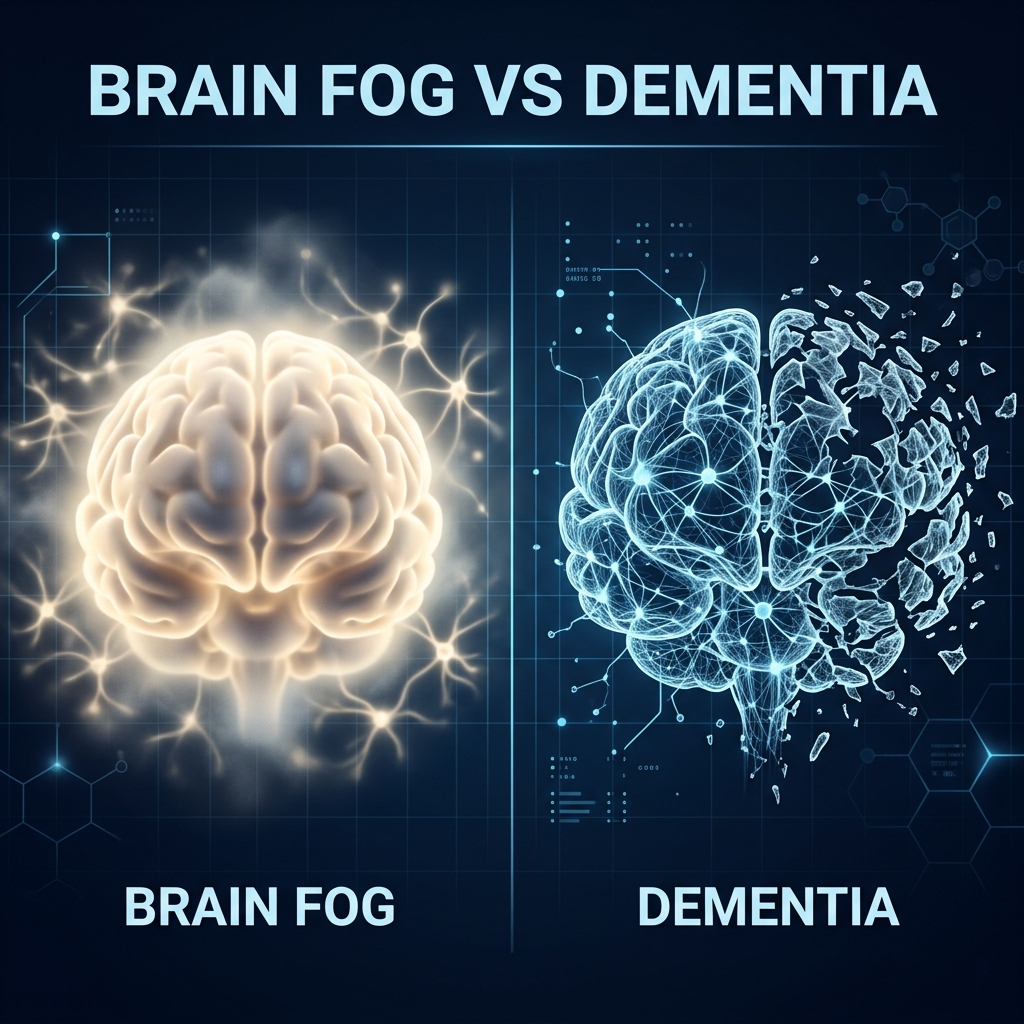
- Brain fog is a temporary, reversible symptom often caused by stress, lack of sleep, or illness, resulting in mild forgetfulness or lack of focus.
- Dementia is a progressive, structural brain disease that permanently impairs memory, reasoning, and the ability to perform independent daily tasks.
- While forgetting why you entered a room is normal, getting lost in a familiar neighborhood or forgetting how to use common objects are major red flags requiring a neurological evaluation.
Introduction
We have all been there: you walk into a room and completely forget what you came in for. You spend ten frantic minutes looking for your car keys, only to realize you are holding them. Or you find yourself struggling to recall the name of an old colleague. In today's fast-paced, high-stress world, occasional memory lapses are incredibly common.
However, as we age, these moments of forgetfulness often trigger a quiet, deep-seated fear: "Is this normal, or is this the beginning of dementia?" As a neurologist, this is one of the most frequent concerns I hear in my clinic. Understanding the difference between temporary "brain fog" and the progressive decline of dementia is essential for both your peace of mind and your long-term neurological health.
What is Brain Fog?
First and foremost, brain fog is a symptom, not a medical condition or disease itself. It is a colloquial term used to describe a temporary state of cognitive dysfunction. When you have brain fog, you might feel spaced out, find it hard to concentrate, struggle to articulate your thoughts, or experience mild, short-term memory lapses.
Common Causes of Brain Fog:
- Chronic Stress and Anxiety: High levels of cortisol can physically interfere with the brain's ability to form and retrieve memories.
- Sleep Deprivation: The brain relies on deep, restorative sleep to consolidate memories. Without it, cognitive function plummets.
- Hormonal Changes: Menopause, pregnancy, or thyroid imbalances frequently cause temporary cognitive haziness.
- Post-Viral Syndromes: We have seen a massive rise in brain fog following viral infections, most notably as a symptom of "Long COVID."
- Nutritional Deficiencies: Lack of Vitamin B12, Iron, or severe dehydration can impair brain function.
The most important characteristic of brain fog is that it is reversible. Once the underlying cause (like lack of sleep or high stress) is addressed, your cognitive sharpness typically returns to normal.
What is Dementia?
Unlike brain fog, dementia is a progressive neurological disease (with Alzheimer’s disease being the most common type). Dementia is not a normal part of aging. It involves physical, structural changes in the brain—such as the buildup of toxic proteins or the shrinking of brain tissue—that permanently destroy neurons (brain cells).
Dementia does not just affect short-term memory; it profoundly impacts a person's ability to reason, communicate, judge situations, and ultimately, live independently.
The Key Differences: Normal Aging vs. Dementia
To distinguish between harmless forgetfulness (or brain fog) and a serious cognitive issue, neurologists look at the context and impact of the memory loss.
1. Context of the Forgetfulness
- Brain Fog (Normal): Forgetting the name of a person you recently met, but remembering it later. Forgetting why you walked into a room.
- Dementia (Abnormal): Forgetting the name of a close family member. Getting completely lost or disoriented in a neighborhood you have lived in for 20 years.
2. Tool and Task Usage
- Brain Fog (Normal): Struggling to figure out how to use a brand-new TV remote or smartphone feature.
- Dementia (Abnormal): Forgetting how to use a familiar, everyday object, like a microwave, a telephone, or not knowing what a key is used for.
3. Independence and Daily Life
- Brain Fog (Normal): You might miss a monthly bill payment because you were distracted, but you can still manage your finances.
- Dementia (Abnormal): You completely lose the ability to manage a budget, understand numbers, or you start giving away large sums of money indiscriminately.
4. Self-Awareness
- Brain Fog (Normal): The patient is usually very aware of their memory lapses and is deeply worried about them.
- Dementia (Abnormal): The patient is often entirely unaware of their cognitive decline. It is usually the family members who notice the changes and bring the patient to the clinic.
Red Flags: When Should You See a Neurologist?
If memory loss is starting to disrupt your daily life, it is time to seek professional evaluation. Look out for these major red flags:
- Asking the exact same question repeatedly within a short timeframe.
- Significant changes in personality or mood, such as sudden aggression, extreme paranoia, or deep apathy.
- Putting everyday objects in bizarre places (e.g., placing the car keys in the refrigerator).
- Struggling to follow a familiar recipe or the rules of a favorite game.
- Wandering and getting lost in highly familiar environments.
Conclusion
It is perfectly normal to experience a "foggy" brain after a poor night's sleep or during a highly stressful week. However, if you or a loved one are experiencing persistent, worsening memory loss that interferes with daily life, do not dismiss it as "just getting old." Early neurological evaluation is critical. While dementia is progressive, an early diagnosis allows us to introduce medications, lifestyle changes, and support systems that can significantly slow the progression of symptoms and preserve quality of life for as long as possible.